

As a seasoned supplier of EPOXY UL products, I understand the critical importance of proper storage for these high - performance materials. EPOXY UL materials are widely used in various industries, ranging from electronics to aerospace, due to their excellent electrical insulation, mechanical strength, and flame - retardant properties. However, their quality and performance can be significantly affected if not stored correctly. In this blog, I'll share some essential guidelines on how to store EPOXY UL properly.
1. Ideal Storage Conditions
Temperature is one of the most crucial factors when it comes to storing EPOXY UL. Generally, these materials should be stored at a stable temperature between 10°C and 30°C (50°F - 86°F). Extreme temperatures can cause the epoxy to degrade over time. If the temperature is too low, the epoxy may become overly viscous, making it difficult to work with when the time comes for processing. On the other hand, high temperatures can accelerate the curing process prematurely, changing the chemical properties of the epoxy and reducing its shelf life.
Humidity also plays a vital role. EPOXY UL products should be stored in an environment with a relative humidity of 40% - 60%. High humidity can lead to moisture absorption by the epoxy, which may cause issues such as reduced adhesion, voids during casting, and even corrosion in some cases, especially if there are any metal components in contact with the epoxy. To control humidity, you can use dehumidifiers in the storage area, or store the EPOXY UL in a climate - controlled space.
2. Protection from Light
EPOXY UL should be protected from direct sunlight and other sources of UV light. UV rays can initiate degradation processes in the epoxy resin, causing it to change color, become brittle, and lose some of its mechanical and electrical properties. Therefore, it is advisable to store the EPOXY UL in opaque containers or in a storage area that is shielded from light. If the materials are stored in transparent or translucent containers, consider covering them with dark - colored cloths or storing them in a dark room.
3. Adequate Ventilation
Proper ventilation is essential in the storage area for EPOXY UL. Some epoxy formulations can release low - level volatile organic compounds (VOCs), especially if they are not fully cured or if the storage conditions are not ideal. These VOCs can be harmful to health if inhaled over a long period. Additionally, poor ventilation can lead to the accumulation of moisture and heat, which can both negatively impact the epoxy. Make sure the storage area has sufficient air circulation. You can install exhaust fans or open windows regularly to keep the air fresh.
4. Handling and Packaging Considerations
When handling EPOXY UL products, it is important to use clean tools and gloves to prevent contamination. Any dirt, dust, or foreign particles introduced into the epoxy can affect its properties. The packaging of EPOXY UL is also critical. Most suppliers, including us, use sealed containers to prevent exposure to air, moisture, and contaminants. Once the container is opened, it is advisable to use the epoxy as soon as possible. If it cannot be used immediately, make sure to reseal the container tightly to minimize air and moisture entry.
5. Storage of Different EPOXY UL Products
We offer a variety of EPOXY UL products, such as F883 (FR5) Epoxy Glass Fabric Laminated Sheets, F880 (G10) Epoxy Glass Fabric Laminated Sheets, and F881NH (EPGC310) (UL Certification) Epoxy Glass Fabric Laminated Sheets. While the general storage principles apply to all these products, there may be some specific requirements.

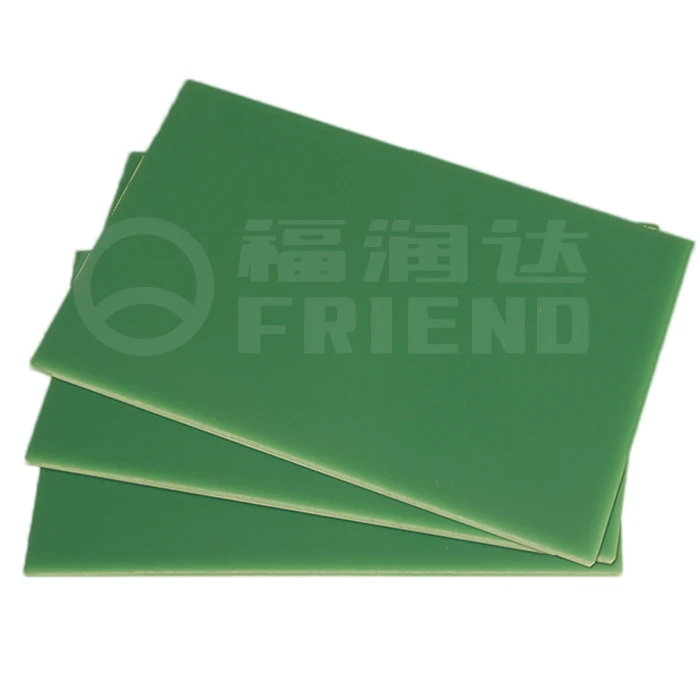
For the Epoxy Glass Fabric Laminated Sheets, they should be stored flat to prevent warping. If stacked, ensure that the sheets are separated by clean, non - abrasive materials to avoid scratching the surface. Also, since these sheets are often used for electrical applications, extra care should be taken to keep them free from dust and other conductive particles.
6. Stock Rotation
Implement a first - in, first - out (FIFO) inventory management system for EPOXY UL storage. This means that the oldest stock should be used first. Each product has a recommended shelf life, and using the oldest stock ensures that you are utilizing the materials before their quality starts to deteriorate. You can label the containers with the date of receipt to keep track of the stock easily.
7. Monitoring and Inspection
Regular monitoring and inspection of the stored EPOXY UL products are necessary. Check the storage area's temperature and humidity levels daily to ensure they are within the recommended ranges. Inspect the containers for any signs of damage, such as cracks or leaks. Also, visually inspect the epoxy materials themselves. Look for any changes in color, consistency, or odor, as these can be indicators of degradation.
If you notice any issues during the inspection, such as a significant change in the epoxy's properties, it is advisable to consult with the supplier or a technical expert. In some cases, although the epoxy may have changed slightly, it may still be usable under certain conditions, while in other cases, it may need to be discarded.
8. Safety Measures
When storing EPOXY UL, safety should always be a top priority. Keep the storage area away from sources of ignition, such as open flames, electrical sparks, or heating elements. Epoxy resins are often flammable or combustible, and proper fire - prevention measures should be in place. Make sure there are fire extinguishers in the storage area and that they are suitable for handling epoxy - related fires.
In addition, store the EPOXY UL products out of reach of children and unauthorized personnel. Some epoxy formulations may be harmful if ingested, inhaled, or come into contact with the skin, so it is important to follow all safety precautions as specified in the safety data sheets.
Conclusion
Proper storage of EPOXY UL is crucial for maintaining its quality and performance. By following the guidelines mentioned above, including controlling temperature and humidity, protecting from light, ensuring adequate ventilation, and implementing proper handling, packaging, and inventory management practices, you can extend the shelf life of your EPOXY UL products and ensure that they perform as expected when used in your applications.
If you are in the market for high - quality EPOXY UL products or have any questions about their storage or use, feel free to reach out to us for more information and to start a procurement discussion. We are committed to providing you with the best products and services to meet your business needs.
References
- Product safety data sheets provided by the epoxy resin manufacturers
- Industry standards and best practices for epoxy storage and handling