

As a supplier of UL Certified SMC (Sheet Molding Compound), I've witnessed firsthand the growing demand for this material across various industries. UL Certification is a mark of quality and safety, assuring customers that the product meets specific standards set by Underwriters Laboratories. But beyond the well - known benefits of quality and safety, it's crucial to explore the environmental impacts of using UL Certified SMC.
1. Raw Material Sourcing and Sustainability
The raw materials used in SMC production play a significant role in its environmental footprint. UL Certified SMC typically consists of a thermosetting resin, such as polyester or vinyl ester, along with glass fibers, fillers, and additives.

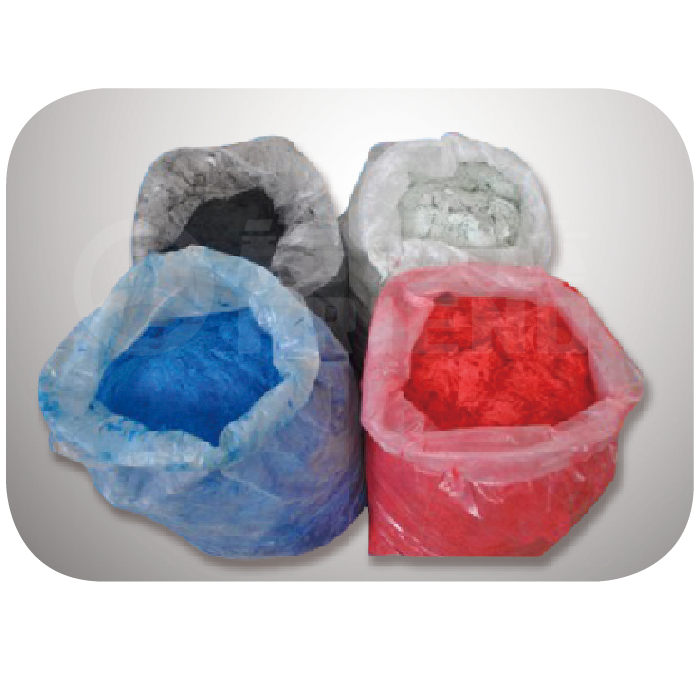
For the resin component, many manufacturers are now focusing on using more sustainable sources. Some polyester resins can be derived from bio - based feedstocks, which reduces the reliance on fossil fuels. Bio - based polyesters are made from renewable resources like plant oils, which have a lower carbon footprint compared to traditional petroleum - based resins. This shift towards bio - based materials aligns with the global push for a more circular and sustainable economy.
Glass fibers, another key ingredient in SMC, are relatively energy - intensive to produce. However, the long - term durability of SMC products means that the energy invested in glass fiber production is offset over the product's lifespan. Additionally, advancements in glass fiber manufacturing technologies are reducing energy consumption and emissions. For instance, some manufacturers are using more efficient melting and forming processes that require less energy.
When it comes to fillers and additives, there is an increasing trend towards using natural and recycled materials. For example, calcium carbonate, a common filler, can be sourced from natural limestone deposits, which are abundant and relatively easy to extract with minimal environmental impact. Some recycled materials, such as recycled glass or plastics, can also be used as fillers, further reducing waste and the need for virgin materials.
2. Manufacturing Process and Energy Efficiency
The manufacturing process of UL Certified SMC involves several steps, including compounding, sheet forming, and molding. Each of these steps has an impact on the environment, mainly in terms of energy consumption and waste generation.
During the compounding stage, the raw materials are mixed together to form a homogeneous compound. Modern compounding equipment is designed to be energy - efficient, with features such as variable - speed drives and advanced mixing algorithms that reduce energy consumption. Additionally, some manufacturers are implementing heat recovery systems to capture and reuse the heat generated during the compounding process, further improving energy efficiency.
Sheet forming is the process of creating the SMC sheet. This step often involves heating the compound to a specific temperature and then passing it through a series of rollers to form a uniform sheet. Newer sheet forming technologies are using infrared heating systems, which are more energy - efficient than traditional heating methods. These systems heat the compound directly, reducing the amount of energy wasted on heating the surrounding environment.
The molding process is where the SMC sheet is shaped into the final product. Compression molding, a common method for SMC, requires a significant amount of energy to heat the mold and apply pressure. However, advancements in mold design and heating technology are reducing energy consumption. For example, some molds are now equipped with electric heating elements that can be precisely controlled, allowing for more efficient heating and reduced energy waste.
In terms of waste generation, the SMC manufacturing process produces minimal waste. Any excess material can often be recycled back into the production process, reducing the amount of waste sent to landfills. This closed - loop system not only reduces environmental impact but also lowers production costs.
3. Product Performance and Environmental Benefits
One of the most significant environmental benefits of UL Certified SMC is its durability. SMC products are known for their long lifespan, resistance to corrosion, and high strength - to - weight ratio. These properties mean that SMC products often require less frequent replacement compared to other materials.
For example, in the construction industry, SMC can be used for structural components, such as beams and columns. These components can withstand harsh environmental conditions, including exposure to moisture, chemicals, and UV radiation, without significant degradation. As a result, the need for frequent repairs and replacements is reduced, which in turn reduces the consumption of raw materials and energy associated with new construction.
In the automotive industry, SMC is used for various parts, such as body panels and engine covers. The lightweight nature of SMC helps to improve fuel efficiency, reducing greenhouse gas emissions. A lighter vehicle requires less energy to move, which translates into lower fuel consumption and fewer emissions over the vehicle's lifetime.
UL Certified SMC also has excellent electrical insulation properties, making it suitable for electrical and electronic applications. Its resistance to electrical arcing and tracking reduces the risk of electrical fires, which can have a significant environmental impact. In addition, the long - term stability of SMC in electrical applications means that there is less need for replacement parts, reducing waste and resource consumption.
4. End - of - Life Management and Recycling
At the end of their useful life, UL Certified SMC products can be recycled or disposed of in an environmentally friendly manner. Recycling SMC is a complex process, but it is becoming more feasible with advancements in technology.
One method of recycling SMC is through mechanical recycling. In this process, the SMC products are shredded into small pieces and then used as fillers in new SMC compounds or other composite materials. This not only reduces waste but also conserves natural resources.
Another approach is chemical recycling, which involves breaking down the SMC into its constituent parts, such as resin and glass fibers. These materials can then be used to produce new SMC or other products. Although chemical recycling is still in the early stages of development, it has the potential to significantly reduce the environmental impact of SMC products at the end of their life.
If recycling is not possible, UL Certified SMC products can be disposed of in landfills. However, due to their durability and resistance to degradation, SMC products do not contribute to landfill leachate or other environmental problems as much as some other materials.
5. Comparison with Other Materials
When evaluating the environmental impacts of UL Certified SMC, it's important to compare it with other materials commonly used in similar applications.
For example, compared to traditional metals such as steel and aluminum, SMC has a lower carbon footprint. Metal production is highly energy - intensive, requiring large amounts of fossil fuels for mining, refining, and processing. In contrast, the production of SMC uses less energy and can incorporate more recycled and sustainable materials.
Plastics, another common material, often have a shorter lifespan and are more difficult to recycle compared to SMC. Many plastics end up in landfills or the environment, where they can take hundreds of years to degrade. SMC's durability and recyclability make it a more environmentally friendly option in many cases.
In the construction industry, concrete is a widely used material. While concrete is relatively inexpensive and abundant, it has a high carbon footprint due to the energy - intensive production of cement. SMC, on the other hand, can be used in some applications where concrete is traditionally used, offering a more sustainable alternative.
6. Conclusion and Call to Action
In conclusion, the environmental impacts of using UL Certified SMC are generally positive. From sustainable raw material sourcing to energy - efficient manufacturing processes, long - term durability, and end - of - life recyclability, SMC offers a range of environmental benefits.
As a supplier of UL Certified SMC, I am committed to further reducing the environmental footprint of our products. We are constantly researching and implementing new technologies and practices to improve the sustainability of our manufacturing processes and products.
If you are interested in learning more about our UL Certified SMC products, such as F622 (GPO - 3) (UL Certification) Polyester Glass Mat Products, BMC Bulk Molding Compound, or Pultruded Profiles (Polyester), please feel free to contact us for more information and to discuss your specific requirements. We look forward to partnering with you to create a more sustainable future.
References
- "Sustainable Composites: Materials and Applications" by John M. Kenny
- "Environmental Impact Assessment of Composite Materials" by International Journal of Life Cycle Assessment
- "Advances in Glass Fiber Manufacturing Technologies" by Glass Industry Magazine