

In the ever - evolving landscape of the arts and crafts field, finding the right materials is crucial for bringing creative visions to life. Bulk Molding Compound (BMC) has emerged as a versatile and reliable option for artists and crafters alike. As a seasoned BMC supplier, I've witnessed firsthand the growing interest in this material and the unique requirements associated with its use in arts and crafts. In this blog post, I'll delve into the key requirements for using BMC in the arts and crafts field, offering insights based on my experience in the industry.
Understanding Bulk Molding Compound
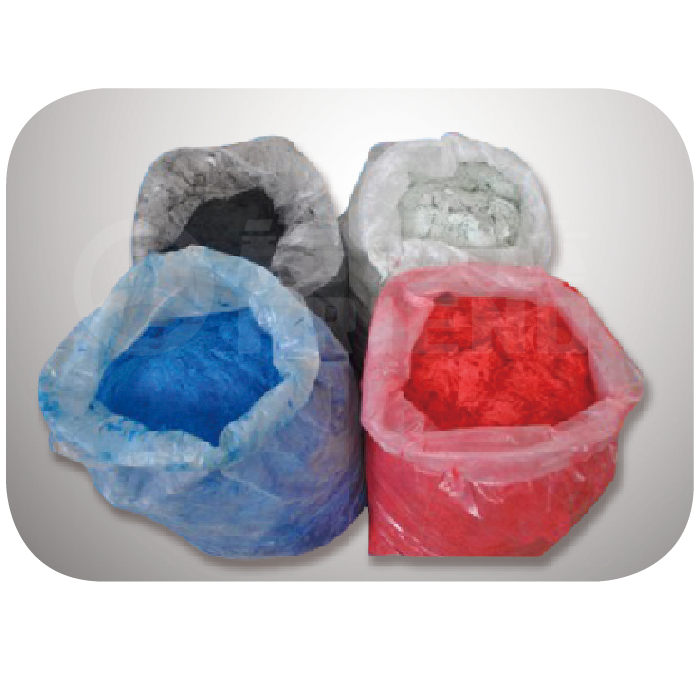
Before we explore the requirements, let's briefly understand what BMC is. BMC is a thermosetting composite material made from a mixture of polyester resin, chopped glass fibers, fillers, and various additives. It is supplied in bulk form, typically in a dough - like consistency, which makes it easy to handle and shape. BMC offers several advantages, including high strength, excellent dimensional stability, good electrical insulation properties, and resistance to chemicals and heat. These characteristics make it suitable for a wide range of applications in the arts and crafts field, from sculptures and decorative items to functional pieces.
Design and Conceptualization
One of the first requirements for using BMC in arts and crafts is a well - thought - out design and conceptualization. Unlike some other materials, BMC requires careful planning due to its specific molding process. Artists and crafters need to consider the size, shape, and complexity of their project. For instance, if you're planning to create a large - scale sculpture, you'll need to ensure that the design can be divided into manageable sections for molding. Additionally, the design should take into account the flow properties of BMC during the molding process. Sharp corners and thin sections may cause issues with filling the mold, so it's advisable to use rounded edges and uniform wall thicknesses whenever possible.
Mold Design and Fabrication
Once the design is finalized, the next step is to create a suitable mold. The mold is a critical component in the BMC molding process, as it determines the final shape and quality of the product. When using BMC in arts and crafts, the mold should be made from a material that can withstand the high pressures and temperatures involved in the molding process. Common materials for mold making include steel, aluminum, and epoxy resin.
The mold design should also incorporate proper venting and gating systems. Venting is essential to allow air to escape from the mold during the filling process, preventing air pockets and ensuring a smooth surface finish. Gating, on the other hand, controls the flow of BMC into the mold. A well - designed gating system ensures that the BMC fills the mold evenly, reducing the risk of defects such as voids or uneven thickness.
Material Selection and Preparation
As a BMC supplier, I understand the importance of selecting the right type of BMC for your project. Different formulations of BMC are available, each with its own set of properties and characteristics. For arts and crafts applications, factors such as color, surface finish, and mechanical strength need to be considered. For example, if you're creating a decorative item that requires a smooth and glossy finish, you may choose a BMC formulation with a high - quality resin system.
Before using BMC, it needs to be properly prepared. This typically involves pre - heating the material to a specific temperature to improve its flowability. The pre - heating temperature and time depend on the specific type of BMC being used and the requirements of the molding process. It's also important to ensure that the BMC is mixed thoroughly to achieve a uniform consistency. Any lumps or unevenness in the BMC can lead to defects in the final product.

Molding Process
The molding process is where the actual transformation of BMC into the desired shape takes place. There are several molding techniques available for BMC, including compression molding, injection molding, and transfer molding. Each technique has its own advantages and disadvantages, and the choice depends on the specific requirements of the project.
Compression molding is a common method used in the arts and crafts field. In this process, a pre - measured amount of BMC is placed in the lower half of the mold, and then the upper half of the mold is closed. Pressure is applied to the mold, forcing the BMC to flow and fill the cavity. The mold is then heated to a specific temperature to cure the BMC. Compression molding is suitable for large - scale and complex parts, as it allows for precise control over the part's shape and thickness.
Injection molding, on the other hand, involves injecting the BMC into the mold under high pressure. This technique is faster and more suitable for mass production of smaller parts. Transfer molding is a combination of compression and injection molding, where the BMC is first placed in a transfer pot and then forced into the mold cavity under pressure.
Post - Molding Finishing
After the BMC has been molded and cured, the final step is post - molding finishing. This includes removing the part from the mold, trimming any excess material, and sanding or polishing the surface to achieve the desired finish. Post - molding finishing is an important requirement for arts and crafts applications, as it enhances the aesthetic appeal of the final product.
Depending on the project, additional finishing techniques such as painting, plating, or applying a clear coat may be required. When painting BMC, it's important to use paints that are compatible with the material. Some paints may not adhere well to BMC, resulting in peeling or chipping. Similarly, when plating or applying a clear coat, proper surface preparation is essential to ensure good adhesion.
Safety and Environmental Considerations
Using BMC in the arts and crafts field also comes with certain safety and environmental requirements. BMC contains polyester resin and other chemicals, which can be hazardous if not handled properly. Artists and crafters should wear appropriate personal protective equipment (PPE), such as gloves, goggles, and a respirator, when handling BMC.
In terms of environmental considerations, BMC is a thermosetting material, which means it cannot be recycled in the same way as thermoplastic materials. However, efforts can be made to minimize waste during the molding process. For example, excess BMC can be reused in smaller projects or ground up and used as a filler in other materials.
Quality Control
Quality control is an ongoing requirement throughout the entire process of using BMC in arts and crafts. This includes inspecting the raw materials, monitoring the molding process, and checking the final product for defects. Visual inspection is a common method of quality control, where the part is examined for surface defects, such as cracks, voids, or unevenness.
Dimensional inspection is also important to ensure that the part meets the design specifications. This can be done using measuring tools such as calipers, micrometers, or coordinate measuring machines (CMMs). By implementing a strict quality control system, artists and crafters can ensure that their BMC - based products meet the highest standards of quality.
Conclusion
In conclusion, using Bulk Molding Compound in the arts and crafts field requires careful consideration of several key requirements. From design and mold fabrication to material selection, molding process, and post - molding finishing, each step plays a crucial role in the success of the project. As a BMC supplier, I'm committed to providing high - quality BMC materials and offering support to artists and crafters throughout the process.
If you're interested in using BMC for your arts and crafts projects, I encourage you to explore our product range. You can find more information about our BMC Bulk Molding Compound, F621 (GPO - 1) Polyester Glass Mat Products, and Pultruded Profiles (Epoxy) on our website. Don't hesitate to reach out to us for further discussion and to start a procurement negotiation. We're here to help you turn your creative ideas into reality.
References
- "Composites Manufacturing Handbook" by ASM International
- "Plastics Engineering Handbook of the Society of Plastics Engineers" by Myer Kutz