

Epoxy UL, a product I'm well - acquainted with as an Epoxy UL supplier, is often a topic of great interest in various industrial applications. One of the most frequently asked questions is: Does Epoxy UL have good adhesion? In this blog, I'll delve into this question, exploring the factors that affect its adhesion, real - world applications, and how it compares to other similar products.
Understanding Epoxy UL
Epoxy UL is a type of epoxy resin that meets Underwriters Laboratories (UL) standards. These standards ensure that the product is safe for use in specific applications, such as electrical insulation. Epoxy UL is known for its excellent chemical resistance, electrical insulation properties, and mechanical strength. But when it comes to adhesion, several factors come into play.
Factors Affecting Adhesion of Epoxy UL
Surface Preparation
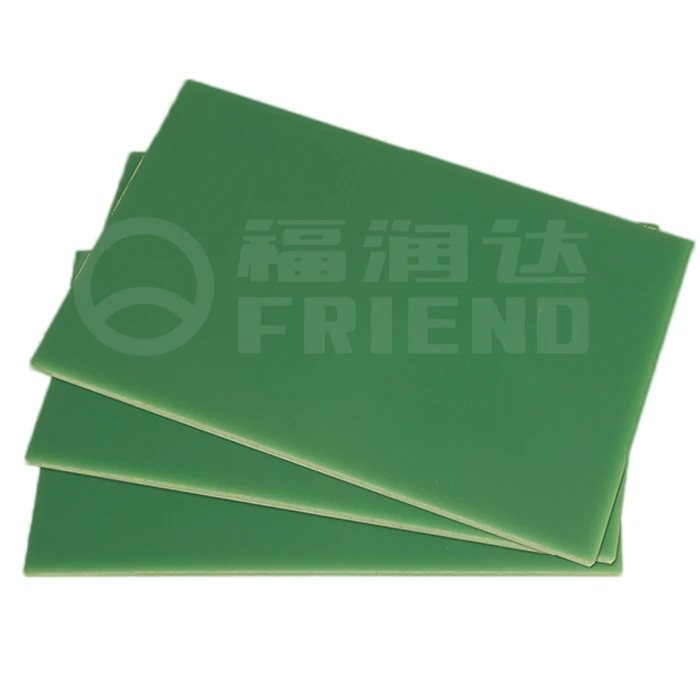
The first and most crucial factor is the surface to which the Epoxy UL is applied. A clean, dry, and rough surface provides a better foundation for adhesion. Any contaminants, such as oil, grease, or dust, can act as a barrier between the epoxy and the substrate, reducing the bond strength. For example, in the manufacturing of F883 (FR5) Epoxy Glass Fabric Laminated Sheets, proper surface preparation of the glass fabric is essential. If the glass fabric is not cleaned thoroughly, the Epoxy UL may not adhere well, leading to delamination or other quality issues.
Curing Conditions
The curing process of Epoxy UL is also vital for adhesion. Curing is the chemical reaction that transforms the liquid epoxy into a solid. Temperature, humidity, and curing time all affect this reaction. If the curing temperature is too low, the reaction may not proceed fully, resulting in a weak bond. On the other hand, if the temperature is too high, it can cause the epoxy to cure too quickly, leading to internal stresses and reduced adhesion. In industrial settings, strict control of curing conditions is necessary to ensure optimal adhesion.

Epoxy Formulation
The formulation of the Epoxy UL itself plays a significant role. Different formulations are designed for different applications, and they may have varying adhesion properties. For instance, some formulations may contain additives that enhance adhesion to specific substrates. Manufacturers often conduct extensive research and development to optimize the formulation for maximum adhesion in different scenarios.
Real - World Applications and Adhesion Performance
Electrical Insulation
In electrical insulation applications, Epoxy UL is widely used due to its excellent electrical properties. It is often applied to components such as transformers, motors, and printed circuit boards. In these applications, good adhesion is crucial to prevent the ingress of moisture and contaminants, which can compromise the electrical performance. For example, F886 (EPGC308) Epoxy Glass Fabric Laminated Sheets are commonly used in electrical insulation. The Epoxy UL in these sheets adheres well to the glass fabric, providing a reliable insulating layer.
Structural Bonding
Epoxy UL is also used for structural bonding in various industries, such as automotive and aerospace. In these applications, it needs to withstand high loads and stresses. Good adhesion is essential to ensure the integrity of the bonded structure. For example, in the assembly of automotive components, Epoxy UL is used to bond different parts together. If the adhesion is poor, the components may come loose, leading to safety hazards.
Comparison with Other Adhesives
When compared to other adhesives, Epoxy UL has several advantages in terms of adhesion. For example, compared to some traditional adhesives like glue, Epoxy UL offers a stronger and more durable bond. It can withstand higher temperatures, chemicals, and mechanical stresses. However, it may require more careful surface preparation and curing conditions compared to some simpler adhesives.
Compared to other epoxy resins that do not meet UL standards, Epoxy UL provides an additional level of safety and reliability. This is especially important in applications where safety is a top priority, such as electrical and fire - resistant applications.
Case Studies
Let's take a look at a few case studies to illustrate the adhesion performance of Epoxy UL.
Case Study 1: Electrical Panel Manufacturing
A company was manufacturing electrical panels using 3240 Epoxy Glass Fabric Laminated Sheets. They were experiencing issues with delamination of the epoxy layer from the glass fabric. After investigation, it was found that the surface preparation of the glass fabric was inadequate. Once they improved the surface cleaning process and optimized the curing conditions, the adhesion of the Epoxy UL improved significantly, and the delamination problem was resolved.
Case Study 2: Aerospace Component Bonding
In an aerospace project, Epoxy UL was used to bond composite components. The design required a high - strength bond that could withstand extreme temperatures and vibrations. By carefully selecting the appropriate Epoxy UL formulation and following strict surface preparation and curing procedures, the adhesion was strong enough to meet the project requirements. The bonded components passed all the rigorous testing, demonstrating the excellent adhesion performance of Epoxy UL in demanding applications.
Conclusion
In conclusion, Epoxy UL generally has good adhesion when the proper conditions are met. Surface preparation, curing conditions, and the formulation of the epoxy all play crucial roles in determining the adhesion strength. In real - world applications, it has proven to be a reliable adhesive in various industries, from electrical insulation to structural bonding.
If you are considering using Epoxy UL in your projects, it's important to work closely with a reliable supplier. As an Epoxy UL supplier, I can provide you with high - quality products and technical support to ensure that you achieve the best adhesion results. Whether you need Epoxy UL for electrical applications or structural bonding, I can help you select the right product and guide you through the application process.
If you are interested in purchasing Epoxy UL or have any questions about its adhesion or other properties, please feel free to contact me for further discussion and negotiation. I look forward to working with you to meet your specific needs.
References
- ASTM International. "Standard Test Methods for Strength Properties of Adhesive Bonds in Shear by Tension Loading (Metal - to - Metal)." ASTM D1002 - 10.
- Underwriters Laboratories. UL Standards for Safety related to Epoxy Resins.
- Various industry reports on the use of Epoxy UL in electrical and structural applications.