

In the world of composite materials, epoxy glass mat stands out as a versatile and high - performance option. As a leading supplier of epoxy glass mat products, I have witnessed firsthand the numerous advantages it offers over other materials. In this blog, I will delve into the key benefits of epoxy glass mat and explain why it is the preferred choice for a wide range of applications.
1. Mechanical Properties
One of the most significant advantages of epoxy glass mat is its exceptional mechanical strength. The combination of epoxy resin and glass fibers creates a material that can withstand high levels of stress and strain. Compared to traditional plastics, epoxy glass mat has a much higher tensile strength. For example, when used in structural components, it can support heavier loads without deforming or breaking.
In contrast, materials like polyethylene or polypropylene, which are commonly used in various industries, have relatively lower tensile strengths. They may be suitable for lightweight applications but are not ideal for high - stress environments. Epoxy glass mat's superior mechanical properties make it a top choice for applications in the automotive, aerospace, and construction industries, where durability and strength are crucial.
2. Chemical Resistance
Epoxy glass mat exhibits excellent chemical resistance, making it suitable for use in harsh chemical environments. It can resist a wide range of chemicals, including acids, alkalis, and solvents. This is in stark contrast to many metal materials, which can corrode when exposed to certain chemicals. For instance, steel can rust when in contact with water and oxygen, especially in the presence of acidic or alkaline substances.
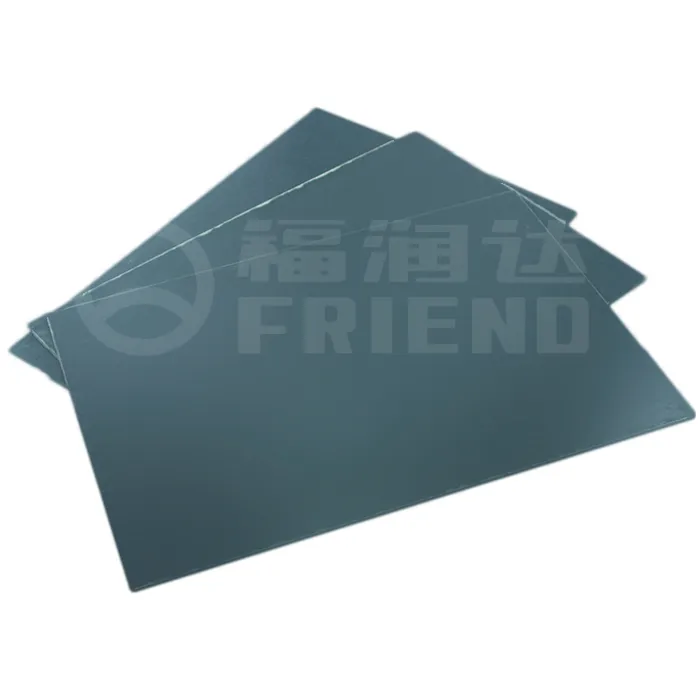

On the other hand, epoxy glass mat maintains its integrity even when exposed to aggressive chemicals. This property makes it an excellent choice for chemical storage tanks, pipelines, and other equipment used in the chemical processing industry. It ensures the long - term reliability of these components and reduces the need for frequent replacements due to chemical damage.
3. Electrical Insulation
Another remarkable advantage of epoxy glass mat is its outstanding electrical insulation properties. It has a high dielectric strength, which means it can effectively prevent the flow of electric current. This makes it an ideal material for electrical and electronic applications. In comparison, materials like aluminum or copper are conductors of electricity and are not suitable for insulation purposes.
Epoxy glass mat is commonly used in printed circuit boards (PCBs), electrical enclosures, and transformers. In PCBs, it provides a stable base for mounting electronic components and helps to prevent short - circuits. Its electrical insulation properties ensure the safe and reliable operation of electrical and electronic devices.
4. Dimensional Stability
Epoxy glass mat has excellent dimensional stability, which means it maintains its shape and size under different environmental conditions. It has a low coefficient of thermal expansion, which means it expands and contracts very little with changes in temperature. This is a significant advantage over materials like wood, which can warp and shrink when exposed to changes in humidity and temperature.
In applications where precise dimensions are required, such as in the manufacturing of precision parts, epoxy glass mat is the material of choice. It ensures that the parts fit together correctly and function as intended, even in environments with fluctuating temperatures.
5. Design Flexibility
As a supplier, I often emphasize the design flexibility offered by epoxy glass mat. It can be easily molded into various shapes and sizes, allowing for the creation of complex and customized components. Unlike some metals, which may require extensive machining and welding to achieve a specific shape, epoxy glass mat can be formed using relatively simple molding processes.
This design flexibility makes it suitable for a wide range of applications, from small, intricate parts to large, structural components. Whether it's a custom - designed automotive interior part or a unique architectural element, epoxy glass mat can be tailored to meet the specific design requirements.
6. Cost - Effectiveness
When considering the overall cost of a project, epoxy glass mat can be a cost - effective solution. Although the initial material cost may be higher than some other materials, its long - term benefits often outweigh the upfront investment. Its high durability and resistance to wear and tear mean that it has a longer service life, reducing the need for frequent replacements.
In addition, its ease of processing and design flexibility can lead to cost savings in the manufacturing process. For example, fewer machining operations are required compared to some metals, which can result in lower labor costs. Overall, epoxy glass mat offers a good balance between performance and cost.
Product Examples
We offer a range of high - quality epoxy glass mat products, such as the F862 (EPGM306) Epoxy Glass Mat Products. This product is specifically designed to meet the demanding requirements of various industries. It combines the excellent properties of epoxy glass mat, including high strength, chemical resistance, and electrical insulation.
We also provide other related products like F897 (Magnetic) Magnetic Laminate and F828 (CEM - 1), which have their own unique features and applications. These products further demonstrate our commitment to providing a comprehensive range of high - performance materials to our customers.
Conclusion
In conclusion, epoxy glass mat offers a multitude of advantages over other materials. Its superior mechanical properties, chemical resistance, electrical insulation, dimensional stability, design flexibility, and cost - effectiveness make it a top choice for a wide range of industries and applications. As a supplier, I am proud to offer high - quality epoxy glass mat products that meet the diverse needs of our customers.
If you are interested in learning more about our epoxy glass mat products or have a specific application in mind, I encourage you to contact us for a procurement discussion. We have a team of experts who can provide you with detailed information and guidance to help you make the best choice for your project.
References
- "Composite Materials Handbook" by ASTM International
- "Epoxy Resins: Chemistry and Technology" by Clayton A. May