

As a leading supplier of glass mat products, I'm often asked about the various installation methods for these versatile materials. Glass mat products, known for their strength, durability, and versatility, are used in a wide range of applications, from automotive and aerospace to construction and marine industries. In this blog post, I'll explore the different installation methods for glass mat products, providing insights and tips to help you achieve the best results.
Adhesive Bonding
Adhesive bonding is one of the most common methods for installing glass mat products. This method involves using an adhesive to bond the glass mat to the substrate. Adhesive bonding offers several advantages, including a strong and durable bond, the ability to bond dissimilar materials, and the ability to distribute stress evenly across the bond area.

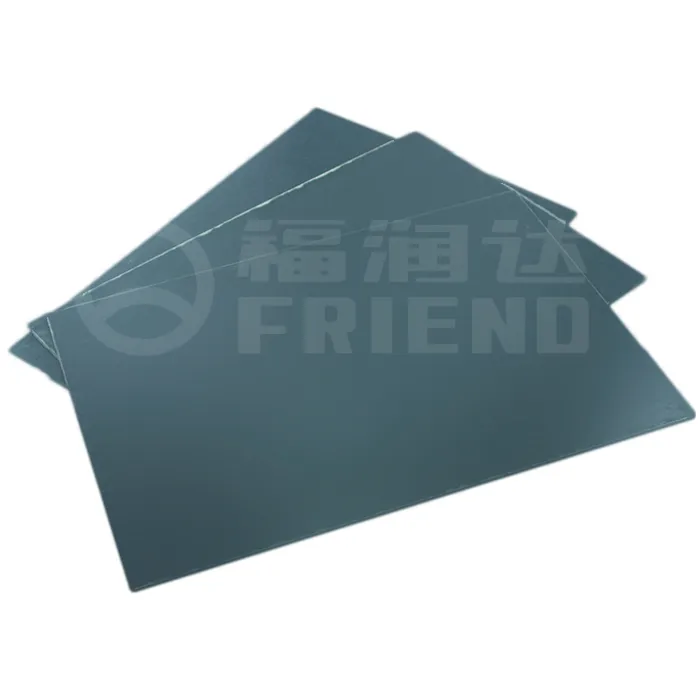
When using adhesive bonding, it's important to choose the right adhesive for the application. The adhesive should be compatible with both the glass mat and the substrate, and it should have the appropriate strength and flexibility for the intended use. Some common types of adhesives used for glass mat products include epoxy, polyurethane, and acrylic adhesives.
Before applying the adhesive, the surface of the substrate should be clean, dry, and free of any contaminants. This may involve sanding, degreasing, or priming the surface to ensure good adhesion. The glass mat should also be clean and free of any debris or dust.
Once the surface is prepared, the adhesive can be applied to either the glass mat or the substrate, depending on the type of adhesive and the application. The glass mat can then be placed on the substrate and pressed firmly into place to ensure good contact. It's important to follow the manufacturer's instructions for the adhesive, including the recommended curing time and temperature.
Mechanical Fastening
Mechanical fastening is another common method for installing glass mat products. This method involves using screws, bolts, rivets, or other mechanical fasteners to attach the glass mat to the substrate. Mechanical fastening offers several advantages, including ease of installation, the ability to disassemble and reassemble the structure, and the ability to provide a strong and reliable connection.
When using mechanical fastening, it's important to choose the right type and size of fasteners for the application. The fasteners should be compatible with both the glass mat and the substrate, and they should have the appropriate strength and corrosion resistance for the intended use. Some common types of fasteners used for glass mat products include stainless steel screws, aluminum rivets, and nylon bolts.
Before installing the fasteners, the glass mat and the substrate should be marked to indicate the location of the fasteners. Holes should then be drilled in the glass mat and the substrate using a drill bit that is the appropriate size for the fasteners. It's important to use a drill bit that is sharp and clean to avoid damaging the glass mat.
Once the holes are drilled, the fasteners can be inserted into the holes and tightened using a screwdriver, wrench, or other appropriate tool. It's important to tighten the fasteners evenly to ensure a secure and stable connection.
Welding
Welding is a less common method for installing glass mat products, but it can be used in certain applications where a strong and permanent bond is required. This method involves using heat to melt the glass mat and the substrate together, creating a fusion bond. Welding offers several advantages, including a strong and durable bond, the ability to join thick or heavy glass mat products, and the ability to create a seamless connection.
When using welding, it's important to choose the right type of welding process for the application. Some common types of welding processes used for glass mat products include arc welding, gas welding, and laser welding. The welding process should be selected based on the type of glass mat and the substrate, as well as the thickness and size of the materials.
Before welding, the surface of the glass mat and the substrate should be clean, dry, and free of any contaminants. This may involve sanding, degreasing, or priming the surface to ensure good weldability. The glass mat should also be preheated to the appropriate temperature to reduce the risk of cracking or warping during the welding process.
Once the surface is prepared, the welding process can be carried out using the appropriate equipment and techniques. It's important to follow the manufacturer's instructions for the welding process, including the recommended welding parameters and safety precautions.
Laminating
Laminating is a process that involves bonding two or more layers of glass mat products together using an adhesive or a resin. This method is commonly used to create composite materials with enhanced strength, stiffness, and durability. Laminating offers several advantages, including the ability to customize the properties of the composite material, the ability to create complex shapes and structures, and the ability to provide a smooth and finished surface.
When using laminating, it's important to choose the right type of adhesive or resin for the application. The adhesive or resin should be compatible with both the glass mat and the other layers of the composite material, and it should have the appropriate strength and flexibility for the intended use. Some common types of adhesives and resins used for laminating glass mat products include epoxy, polyester, and vinyl ester resins.
Before laminating, the surface of the glass mat and the other layers of the composite material should be clean, dry, and free of any contaminants. This may involve sanding, degreasing, or priming the surface to ensure good adhesion. The layers of the composite material can then be stacked together and the adhesive or resin can be applied between the layers.
Once the adhesive or resin is applied, the layers can be pressed together using a roller, a press, or other appropriate equipment to ensure good contact and to remove any air bubbles. It's important to follow the manufacturer's instructions for the adhesive or resin, including the recommended curing time and temperature.
Conclusion
In conclusion, there are several different installation methods for glass mat products, each with its own advantages and disadvantages. The choice of installation method will depend on several factors, including the type of glass mat product, the substrate, the application, and the desired properties of the final structure.
As a supplier of glass mat products, we offer a wide range of products and solutions to meet the needs of our customers. Our products include F897 (Magnetic) Magnetic Laminate, F863 (EPGM203) Epoxy Glass Mat Products, and F828 (CEM-1), among others.
If you're interested in learning more about our glass mat products or if you have any questions about the installation methods, please don't hesitate to contact us. We're here to help you find the right solution for your application and to ensure that you achieve the best results.
References
- "Composite Materials Handbook," ASM International, 2002.
- "Adhesive Bonding: Principles and Practice," Second Edition, David A. Dillard, 2012.
- "Welding Handbook," American Welding Society, 2010.