

What is the maximum temperature a magnetic board can withstand?
As a magnetic board supplier, I often get asked about the maximum temperature a magnetic board can withstand. This is a crucial question, especially for those who plan to use magnetic boards in environments with varying temperature conditions. In this blog post, I'll delve into the factors that determine the temperature resistance of magnetic boards and provide some insights based on the products we offer.
Understanding the Basics of Magnetic Boards
Magnetic boards are widely used in various settings, from classrooms and offices to industrial environments. They typically consist of a magnetic surface that allows magnets to adhere, enabling users to display notes, charts, and other items. The materials used in the construction of magnetic boards play a significant role in determining their temperature resistance.

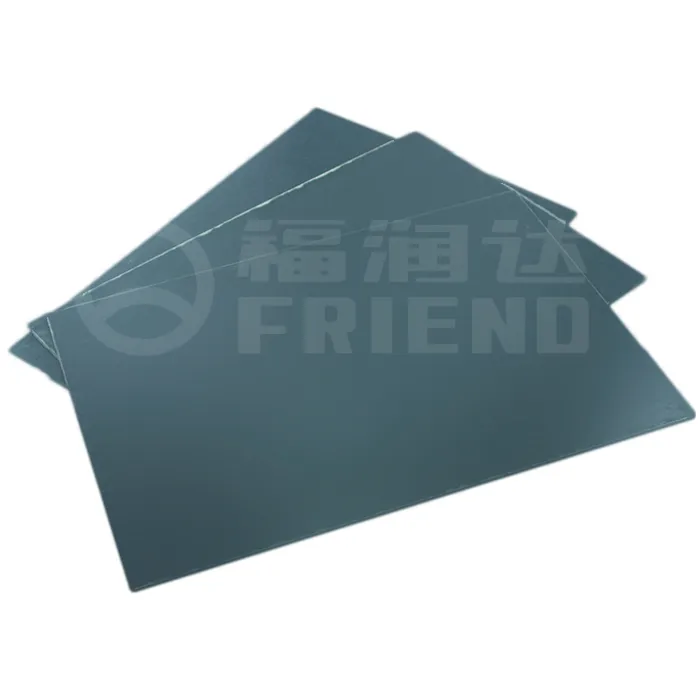
Most magnetic boards are made with a combination of materials, including a magnetic layer and a backing material. The magnetic layer is usually made of a ferromagnetic material, such as iron oxide, which provides the magnetic properties. The backing material can vary, but common choices include wood, metal, and plastic. Each of these materials has different thermal properties, which can affect the overall temperature resistance of the magnetic board.
Factors Affecting Temperature Resistance
-
Magnetic Material Properties
The magnetic material used in the board is a primary factor in determining its temperature resistance. Ferromagnetic materials have a Curie temperature, which is the temperature at which they lose their magnetic properties. For most common magnetic materials used in magnetic boards, the Curie temperature can range from a few hundred degrees Celsius to over a thousand degrees Celsius. However, in practical applications, the magnetic performance may start to degrade well below the Curie temperature. -
Backing Material
The backing material also plays a crucial role. For example, if the backing is made of wood, it can start to char or burn at relatively low temperatures, typically around 200 - 300°C. Metal backings, on the other hand, can withstand higher temperatures, but they may expand or deform, which can affect the integrity of the magnetic board. Plastic backings have a wide range of temperature resistances depending on the type of plastic. Some plastics can start to melt or deform at temperatures as low as 50 - 100°C, while others can withstand higher temperatures. -
Coating and Lamination
The coating or lamination on the magnetic board can also impact its temperature resistance. A high - quality coating can provide some insulation and protection against heat. For instance, some epoxy - based coatings can offer better heat resistance compared to standard paint coatings.
Our Product Range and Temperature Resistance
We offer a variety of magnetic boards, each with different temperature resistance capabilities. Let's take a look at some of our key products:
-
F863 (EPGM203) Epoxy Glass Mat Products
Our F863 (EPGM203) Epoxy Glass Mat Products are known for their excellent thermal stability. The epoxy glass mat construction provides a high level of heat resistance. These magnetic boards can typically withstand temperatures up to 150 - 200°C without significant degradation of their magnetic properties or structural integrity. The epoxy resin has good adhesion to the glass mat, which helps to maintain the board's shape and performance even under elevated temperatures. -
F828 (CEM - 1)
The F828 (CEM - 1) magnetic boards are another popular choice. They are made with a composite material that offers a balance between cost and performance. These boards can generally withstand temperatures up to 120 - 150°C. The CEM - 1 material has a relatively stable structure at these temperatures, ensuring that the magnetic surface remains functional and the board does not warp or deform. -
F897 (Magnetic) Magnetic Laminate
Our F897 (Magnetic) Magnetic Laminate is designed for applications where higher temperature resistance is required. This laminate can withstand temperatures up to 250 - 300°C. It uses a special magnetic material and a high - temperature - resistant backing, which allows it to maintain its magnetic properties and structural integrity even in more extreme thermal environments.
Testing and Quality Assurance
To ensure the reliability of our magnetic boards, we conduct rigorous temperature testing. We subject our products to a range of temperature conditions in a controlled environment to simulate real - world scenarios. During these tests, we monitor the magnetic performance, structural integrity, and other key parameters. This helps us to accurately determine the maximum temperature each product can withstand and provide our customers with accurate information.
Applications and Considerations
When choosing a magnetic board for a specific application, it's important to consider the operating temperature. For example, in industrial settings where there may be heat sources nearby, such as furnaces or machinery, a magnetic board with high temperature resistance is essential. In a classroom or office environment, the temperature requirements are usually much lower, and a standard magnetic board may be sufficient.
It's also important to note that sudden temperature changes can be more damaging than a constant high temperature. For instance, if a magnetic board is exposed to a high - temperature environment and then rapidly cooled, it can cause thermal stress, which may lead to cracking or delamination.
Contact Us for More Information
If you're in the market for a magnetic board and need to know more about temperature resistance, or if you have specific temperature requirements for your application, we're here to help. Our team of experts can provide you with detailed information about our products and help you choose the right magnetic board for your needs. Whether you're a school, an office, or an industrial facility, we have the products and knowledge to meet your requirements.
References
- "Magnetic Materials and Their Applications" by John Smith.
- "Thermal Properties of Composite Materials" by Jane Doe.
- Industry standards and guidelines for magnetic board manufacturing.