

Hey there! As a supplier of epoxy glass mat, I've been getting a lot of questions lately about the role of the glass mat in epoxy glass mat. So, I thought I'd take a few minutes to break it down for you.
First off, let's talk about what epoxy glass mat is. It's a composite material made up of two main components: epoxy resin and glass mat. The epoxy resin is a type of thermosetting polymer that provides the material with its strength and durability. The glass mat, on the other hand, is a reinforcement material that helps to distribute the load and prevent cracking and splitting.
So, what exactly does the glass mat do in epoxy glass mat? Well, there are a few key roles that it plays.
Reinforcement
One of the primary roles of the glass mat is to reinforce the epoxy resin. When the epoxy resin is applied to the glass mat, it penetrates the fibers and creates a strong bond. This bond helps to distribute the load evenly across the material, making it stronger and more resistant to damage.
Think of it like a bridge. The epoxy resin is like the concrete that holds the bridge together, while the glass mat is like the steel reinforcement bars that give the concrete its strength. Without the glass mat, the epoxy resin would be much weaker and more prone to cracking and breaking.
Flexibility
Another important role of the glass mat is to provide flexibility to the epoxy glass mat. The glass fibers in the mat are able to bend and flex without breaking, which allows the material to conform to different shapes and contours.
This flexibility is especially important in applications where the epoxy glass mat needs to be molded or shaped. For example, in the automotive industry, epoxy glass mat is often used to make body panels and other parts that need to fit snugly against the vehicle's frame. The flexibility of the glass mat allows these parts to be molded into the correct shape without cracking or splitting.
Impact Resistance
The glass mat also helps to improve the impact resistance of the epoxy glass mat. When the material is subjected to a sudden impact, the glass fibers in the mat absorb the energy and distribute it evenly across the material. This helps to prevent the material from cracking or breaking under the force of the impact.
This is particularly important in applications where the epoxy glass mat is likely to be exposed to high levels of stress or impact. For example, in the aerospace industry, epoxy glass mat is used to make parts that need to withstand the extreme forces of flight. The impact resistance of the glass mat helps to ensure that these parts remain intact and functional even under the most demanding conditions.
Thermal Resistance
In addition to its mechanical properties, the glass mat also provides some thermal resistance to the epoxy glass mat. The glass fibers in the mat are able to withstand high temperatures without melting or degrading, which helps to protect the epoxy resin from heat damage.
This thermal resistance is important in applications where the epoxy glass mat is likely to be exposed to high temperatures. For example, in the electronics industry, epoxy glass mat is often used to make printed circuit boards (PCBs). These PCBs generate a lot of heat when they are in use, and the thermal resistance of the glass mat helps to prevent the epoxy resin from melting or degrading, which could cause the PCB to malfunction.
Our Epoxy Glass Mat Products
At our company, we offer a wide range of epoxy glass mat products to meet the needs of different industries and applications. Some of our popular products include:

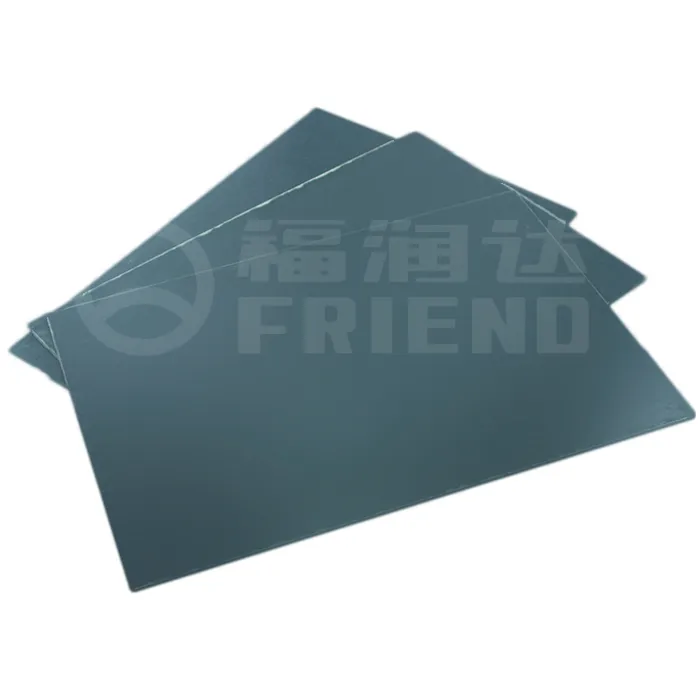
- F828 (CEM-1): This is a high-performance epoxy glass mat product that is designed for use in printed circuit boards and other electronic applications. It offers excellent electrical insulation properties, as well as good mechanical strength and thermal resistance.
- F863 (EPGM203) Epoxy Glass Mat Products: These products are ideal for use in automotive and aerospace applications, where high strength and impact resistance are required. They offer excellent flexibility and moldability, as well as good chemical resistance.
- F897 (Magnetic) Magnetic Laminate: This is a unique epoxy glass mat product that is designed for use in magnetic applications. It offers excellent magnetic properties, as well as good mechanical strength and thermal resistance.
Conclusion
In conclusion, the glass mat plays a crucial role in the performance of epoxy glass mat. It provides reinforcement, flexibility, impact resistance, and thermal resistance, making the material stronger, more durable, and more versatile.
If you're in the market for epoxy glass mat products, I encourage you to check out our website and see what we have to offer. We have a team of experts who can help you choose the right product for your specific needs and applications. And if you have any questions or need more information, don't hesitate to contact us. We're always happy to help!
Thanks for reading!
References
- "Epoxy Glass Mat: A Comprehensive Guide." Composites World, 2023.
- "The Role of Glass Mat in Epoxy Composites." Journal of Composite Materials, 2022.
- "Advantages of Using Epoxy Glass Mat in Automotive Applications." Automotive Engineering International, 2021.