

When working with epoxy glass mat, a versatile and widely - used material in various industries, it is crucial to take appropriate safety precautions to ensure the well - being of workers and the success of the project. As a supplier of epoxy glass mat, I have witnessed firsthand the importance of safety in handling this material.
Personal Protective Equipment (PPE)
One of the most fundamental safety measures when working with epoxy glass mat is the proper use of personal protective equipment. This includes wearing safety glasses or goggles to protect the eyes from any flying particles or splashes of epoxy resin. Epoxy resin can cause severe eye irritation and even permanent damage if it comes into contact with the eyes.
Gloves are also essential. Nitrile or neoprene gloves are recommended as they provide good resistance to epoxy chemicals. These gloves prevent the skin from direct contact with the resin, which can cause skin irritation, allergic reactions, or chemical burns. The hands are often in close contact with the epoxy glass mat during cutting, shaping, and laminating processes, so proper hand protection is non - negotiable.
A respirator is another vital piece of PPE. Epoxy resins can release volatile organic compounds (VOCs) and fumes during the curing process. Inhaling these fumes can lead to respiratory problems, headaches, and dizziness. A respirator with appropriate filters can effectively reduce the inhalation of these harmful substances. It is important to choose a respirator that is rated for the specific chemicals present in the epoxy resin being used.
Workspace Safety
The workspace where epoxy glass mat is being used should be well - ventilated. Adequate ventilation helps to disperse the fumes and VOCs released by the epoxy resin. This can be achieved by using exhaust fans, opening windows, or working in an area with natural airflow. A poorly ventilated workspace can lead to a buildup of toxic fumes, increasing the risk of health problems for workers.
The workspace should also be clean and organized. Any spills of epoxy resin or other chemicals should be cleaned up immediately. Epoxy resin can become slippery when spilled on the floor, increasing the risk of slips, trips, and falls. Tools and equipment should be stored properly to avoid clutter and potential hazards.
Flammable materials should be kept away from the workspace. Epoxy resins are often flammable, especially during the curing process. Sparks or open flames in the vicinity can ignite the resin, leading to fires. It is important to have fire - fighting equipment, such as fire extinguishers, readily available in the workspace. These fire extinguishers should be appropriate for the type of fire that could be caused by epoxy resin, typically a Class B fire (flammable liquids).
Handling and Storage
When handling epoxy glass mat, it is important to follow the manufacturer's instructions. Different epoxy resins have different mixing ratios, curing times, and handling requirements. Incorrect mixing can lead to poor performance of the epoxy glass mat and can also increase the risk of chemical reactions that may be hazardous.
Epoxy glass mat should be stored in a cool, dry place. High temperatures can cause the resin to cure prematurely or degrade, reducing its effectiveness. The storage area should also be away from direct sunlight and sources of heat. Chemicals used in conjunction with epoxy glass mat, such as hardeners and solvents, should be stored separately and in accordance with their specific storage requirements.
When cutting or shaping epoxy glass mat, appropriate tools should be used. Dull or inappropriate tools can cause the epoxy glass mat to break unevenly, creating sharp edges or flying particles. For example, when using a saw to cut the mat, a fine - toothed saw blade is recommended to ensure a clean cut and reduce the generation of dust.
First Aid and Emergency Preparedness
In case of an accident, it is essential to have a well - stocked first - aid kit in the workspace. The first - aid kit should include supplies for treating cuts, burns, and eye injuries. Workers should be trained on basic first - aid procedures, such as how to flush the eyes with water in case of epoxy resin exposure.
Emergency procedures should be clearly posted in the workspace. Workers should know what to do in case of a fire, chemical spill, or other emergencies. Regular emergency drills can help ensure that workers are prepared and can respond quickly and effectively in an emergency situation.
Product - Specific Considerations
As an epoxy glass mat supplier, we offer a range of products, each with its own characteristics. For example, our F897 (Magnetic) Magnetic Laminate has unique magnetic properties. When working with this product, in addition to the general safety precautions, special attention should be paid to any magnetic interference that could affect nearby electronic equipment.
Our F828 (CEM - 1) is another product that may have specific handling requirements. This product may have different curing times and chemical compositions compared to other epoxy glass mats. It is important to read the product data sheet carefully and follow the recommended safety and handling procedures.
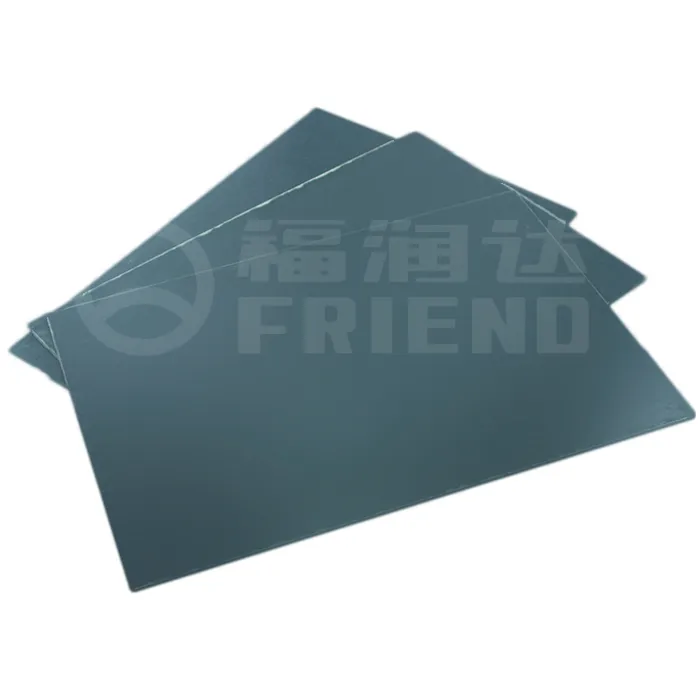
The F863 (EPGM203) Epoxy Glass Mat Products are widely used in various applications. These products may require different safety measures depending on the specific application, such as whether they are being used in a high - temperature environment or in contact with other chemicals.

Training and Education
All workers who are involved in working with epoxy glass mat should receive proper training. This training should cover the properties of epoxy glass mat, the correct use of PPE, workspace safety, handling and storage procedures, and emergency response. Regular refresher courses can help ensure that workers stay up - to - date with the latest safety information.
Training should also include information on the specific products being used. Workers should be familiar with the product data sheets, which provide detailed information on the chemical composition, safety hazards, and handling instructions of each product.
Contact for Purchase and Consultation
If you are interested in purchasing our high - quality epoxy glass mat products or have any questions regarding safety precautions or product applications, we encourage you to contact us. Our team of experts is ready to provide you with all the necessary information and support to ensure a safe and successful project.
References
- "Epoxy Resin Safety Guide" - A comprehensive guide on the safe handling of epoxy resins.
- Manufacturer's product data sheets for epoxy glass mat products, which provide detailed safety and handling information.
- Occupational Safety and Health Administration (OSHA) guidelines on chemical safety in the workplace.